In today’s fast-paced digital world, a cloud based saas crm solution is no longer a luxury—it’s a necessity. Discover how this powerful tool can transform your sales, boost customer satisfaction, and scale with your business effortlessly.
What Is a Cloud Based SaaS CRM Solution?

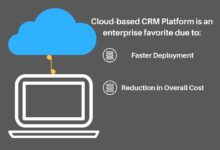
A cloud based saas crm solution is a customer relationship management system hosted on remote servers and delivered via the internet as a subscription service. Unlike traditional on-premise CRM software, it eliminates the need for physical infrastructure, offering businesses instant access to powerful tools for managing customer interactions, sales pipelines, and marketing campaigns from anywhere in the world.
Defining SaaS and Cloud Computing
SaaS, or Software as a Service, refers to a software distribution model where applications are hosted by a third-party provider and made available to customers over the internet. Cloud computing, on the other hand, is the delivery of computing services—including storage, processing power, and databases—over the internet.
When combined, these technologies form the backbone of a cloud based saas crm solution. This model allows businesses to access sophisticated CRM tools without investing in expensive hardware or IT maintenance. For a deeper understanding of SaaS architecture, visit AWS’s guide on SaaS.
How It Differs From On-Premise CRM
Traditional on-premise CRM systems require companies to install software on local servers, manage updates manually, and handle data security internally. This often leads to high upfront costs, scalability issues, and dependency on in-house IT teams.
In contrast, a cloud based saas crm solution offers automatic updates, seamless scalability, and lower total cost of ownership. It also enables real-time collaboration across departments and geographies—something that’s nearly impossible with legacy systems.
Key Components of a Modern Cloud CRM
A robust cloud based saas crm solution typically includes several core modules:
- Sales Automation: Tracks leads, manages pipelines, and automates follow-ups.
- Marketing Automation: Enables targeted campaigns, lead scoring, and performance analytics.
- Customer Service & Support: Offers ticketing systems, knowledge bases, and omnichannel support.
- Analytics & Reporting: Provides dashboards, KPIs, and AI-driven insights.
- Integration Capabilities: Connects with email, calendar, ERP, e-commerce, and social media platforms.
These components work together to create a unified view of the customer, enabling personalized engagement at every touchpoint.
“The shift to cloud-based CRM isn’t just about technology—it’s about transforming how businesses engage with customers.” — Gartner Research
Top 7 Benefits of a Cloud Based SaaS CRM Solution
Adopting a cloud based saas crm solution brings transformative advantages that directly impact revenue, efficiency, and customer loyalty. Let’s explore the seven most compelling benefits.
1. Cost Efficiency and Predictable Pricing
One of the biggest advantages of a cloud based saas crm solution is its cost structure. Instead of large capital expenditures for servers and licenses, businesses pay a predictable monthly or annual subscription fee.
This operational expense model makes CRM accessible even for small and mid-sized businesses. According to a Forrester study, companies using Salesforce (a leading cloud CRM) saw a 144% ROI over three years, with significant savings in IT labor and infrastructure.
Additionally, cloud CRM providers handle maintenance, security patches, and upgrades—further reducing hidden costs.
2. Rapid Deployment and Easy Onboarding
Unlike on-premise systems that can take months to deploy, a cloud based saas crm solution can be up and running in days or even hours. Most platforms offer intuitive interfaces, pre-built templates, and guided setup wizards.
For example, HubSpot CRM allows users to import contacts, set up workflows, and start tracking deals within minutes. This speed-to-value is critical for startups and growing businesses that need immediate results.
Training is also simplified through in-app tutorials, video libraries, and customer support portals—ensuring teams adopt the system quickly.
3. Scalability to Match Business Growth
As your business grows, so do your CRM needs. A cloud based saas crm solution scales seamlessly with your organization—whether you’re adding new users, expanding into new markets, or increasing data volume.
You can upgrade plans, add modules (like marketing automation or advanced analytics), and onboard remote teams without worrying about server capacity or software compatibility.
This elasticity is particularly valuable for seasonal businesses or those experiencing rapid growth. For instance, a retail company can scale up its CRM during the holiday season and scale back afterward—paying only for what they use.
4. Accessibility and Remote Work Enablement
In an era where remote and hybrid work models dominate, having a cloud based saas crm solution ensures that your team can access customer data anytime, anywhere, from any device with an internet connection.
Sales reps can update deal stages from client sites, customer service agents can resolve tickets from home, and managers can monitor performance via mobile dashboards.
This level of accessibility improves responsiveness, reduces delays, and enhances team collaboration. Platforms like Zoho CRM and Salesforce offer dedicated mobile apps that mirror desktop functionality, ensuring a consistent user experience across devices.
5. Automatic Updates and Innovation
With a cloud based saas crm solution, you never miss out on the latest features. Providers regularly roll out updates that include new functionalities, security enhancements, and performance improvements—all without requiring manual intervention.
This means your CRM evolves with market trends and technological advancements. For example, many cloud CRMs now include AI-powered tools like predictive lead scoring, chatbots, and sentiment analysis—all delivered through automatic updates.
Compare this to on-premise systems, where upgrading often involves downtime, compatibility checks, and costly consulting fees.
6. Enhanced Data Security and Compliance
Contrary to common misconceptions, cloud based saas crm solution providers often offer superior security compared to on-premise systems. They invest heavily in encryption, multi-factor authentication, intrusion detection, and regular security audits.
Leading platforms comply with global standards such as GDPR, HIPAA, SOC 2, and ISO 27001. For example, Microsoft Dynamics 365 maintains one of the most comprehensive compliance certifications in the industry.
Moreover, data is stored in redundant data centers with automatic backups, minimizing the risk of data loss due to hardware failure or natural disasters.
7. Seamless Integration with Other Business Tools
A major strength of a cloud based saas crm solution is its ability to integrate with hundreds of third-party applications. Whether you use email marketing tools like Mailchimp, collaboration platforms like Slack, or accounting software like QuickBooks, your CRM can connect seamlessly.
These integrations eliminate data silos, reduce manual entry, and create a unified workflow across departments. For instance, when a new lead is captured via a Facebook ad, it can automatically be added to your CRM, assigned to a sales rep, and nurtured through a pre-defined email sequence—all without human intervention.
Platforms like Zapier and Make (formerly Integromat) further extend integration possibilities, allowing non-technical users to build custom workflows between apps.
How to Choose the Right Cloud Based SaaS CRM Solution
Selecting the best cloud based saas crm solution requires careful evaluation of your business needs, budget, and long-term goals. Here’s a step-by-step guide to help you make the right choice.
Assess Your Business Requirements
Start by identifying your core challenges. Are you struggling with lead tracking? Do your sales teams lack visibility into customer history? Is your marketing team unable to measure campaign effectiveness?
Create a list of must-have features such as contact management, pipeline tracking, email integration, mobile access, and reporting. Prioritize functionalities that align with your sales process and customer journey.
For B2B companies, advanced sales forecasting and territory management might be essential. For e-commerce businesses, integration with Shopify or WooCommerce could be a top priority.
Evaluate User Experience and Adoption
No matter how powerful a CRM is, it won’t deliver value if your team doesn’t use it. A cloud based saas crm solution should be intuitive, visually appealing, and easy to navigate.
Look for platforms with clean dashboards, drag-and-drop customization, and role-based views. Request a free trial or demo to test usability with actual team members.
High user adoption leads to better data accuracy and more reliable insights. According to Nucleus Research, companies with high CRM adoption rates achieve 2.5x greater return on investment than those with low adoption.
Check Integration and API Capabilities
Your CRM shouldn’t exist in isolation. Ensure the cloud based saas crm solution you choose offers native integrations with your existing tech stack—or supports open APIs for custom connections.
Review the vendor’s integration marketplace. Salesforce AppExchange, for example, offers over 3,000 apps. Zoho Marketplace and HubSpot’s Integration Hub also provide extensive options.
If you rely on niche tools, confirm whether the CRM supports webhooks, REST APIs, or pre-built connectors. This flexibility will save time and development costs in the long run.
Top Cloud Based SaaS CRM Solutions in 2024
The market for cloud based saas crm solution is highly competitive, with numerous platforms catering to different industries and business sizes. Here are five of the most popular and effective options available today.
Salesforce Sales Cloud
Salesforce remains the global leader in CRM, powering over 150,000 companies worldwide. Its Sales Cloud offers a comprehensive cloud based saas crm solution with advanced automation, AI (Einstein Analytics), and industry-specific editions.
Key features include opportunity management, forecasting, activity tracking, and collaboration tools. It’s highly customizable and integrates with virtually every major business application.
Ideal for: Mid to large enterprises seeking scalability and deep functionality. Learn more at salesforce.com.
HubSpot CRM
HubSpot offers a user-friendly cloud based saas crm solution that’s free to start and scales with premium features. It’s particularly popular among small businesses and startups due to its intuitive design and all-in-one marketing, sales, and service hubs.
The free version includes contact management, email tracking, deal pipelines, and live chat. Paid tiers add automation, custom reporting, and advanced segmentation.
Ideal for: SMBs focused on inbound marketing and customer-centric growth. Visit hubspot.com for details.
Microsoft Dynamics 365
Dynamics 365 combines CRM and ERP capabilities in a single cloud based saas crm solution, tightly integrated with Microsoft 365, Teams, and Power Platform.
It excels in enterprise environments where deep integration with Office tools is critical. Features include sales automation, customer service modules, field service management, and AI-driven insights.
Ideal for: Organizations already using Microsoft ecosystems. Explore at dynamics.microsoft.com.
Implementation Best Practices for Cloud Based SaaS CRM Solutions
Even the best cloud based saas crm solution will fail if not implemented correctly. Follow these best practices to ensure a smooth rollout and maximize ROI.
Define Clear Goals and KPIs
Before deployment, establish what success looks like. Are you aiming to reduce sales cycle time by 20%? Increase customer retention by 15%? Improve lead conversion rates?
Set measurable KPIs and align them with your CRM configuration. This focus will guide customization, training, and ongoing optimization efforts.
For example, if your goal is faster response times, configure automated alerts and SLA tracking within your CRM.
Ensure Data Quality and Migration Strategy
Poor data quality is one of the top reasons for CRM failure. Before migrating to a new cloud based saas crm solution, clean your existing data—remove duplicates, standardize formats, and verify contact information.
Use ETL (Extract, Transform, Load) tools or professional services to migrate data securely. Test the migration process in a sandbox environment first to avoid errors.
After migration, implement data governance policies to maintain accuracy—such as requiring mandatory fields and regular audits.
Train Users and Drive Adoption
Comprehensive training is essential for user adoption. Develop role-specific training programs—for sales reps, marketers, and support agents.
Use a mix of formats: live workshops, video tutorials, and in-app guidance. Assign CRM champions within each department to provide peer support.
Monitor login rates, data entry frequency, and feature usage to identify adoption gaps. Address resistance early with feedback sessions and incentives.
The Role of AI and Automation in Cloud Based SaaS CRM
Artificial intelligence and automation are redefining what a cloud based saas crm solution can do. These technologies enhance decision-making, personalize customer experiences, and reduce manual workloads.
AI-Powered Sales Forecasting
Modern cloud CRMs use machine learning to analyze historical data and predict future sales trends. This helps managers allocate resources more effectively and identify potential risks early.
For example, Salesforce Einstein analyzes deal progression, rep performance, and external factors to generate accurate forecasts. This reduces guesswork and improves strategic planning.
AI can also flag deals at risk of stalling, recommend next steps, and prioritize high-value opportunities.
Chatbots and Virtual Assistants
Many cloud based saas crm solution platforms now include AI-driven chatbots for customer service. These bots handle common inquiries 24/7, qualify leads, and escalate complex issues to human agents.
They integrate directly with CRM databases, so they can access customer history and provide personalized responses. This improves response times and frees up support teams for higher-value tasks.
Platforms like Zendesk and Freshworks offer built-in AI chatbots with natural language processing capabilities.
Automated Workflows and Task Management
Automation is a cornerstone of efficient CRM usage. A cloud based saas crm solution can automate repetitive tasks such as:
- Sending follow-up emails after a demo
- Assigning leads based on geography or product interest
- Updating contact records when a deal stage changes
- Creating tasks for overdue customer check-ins
These workflows save hours of manual labor and ensure consistency in customer engagement. Tools like HubSpot workflows and Zoho Flow make it easy to build automation without coding.
“AI doesn’t replace humans—it empowers them to focus on what they do best: building relationships.” — Marc Benioff, CEO of Salesforce
Future Trends Shaping Cloud Based SaaS CRM Solutions
The evolution of cloud based saas crm solution is far from over. Emerging technologies and changing customer expectations are driving innovation in the space.
Hyper-Personalization Through Data Analytics
Customers expect personalized experiences at every interaction. Future cloud CRMs will leverage real-time data from multiple sources—web behavior, purchase history, social media—to deliver hyper-personalized content and offers.
Advanced analytics will enable dynamic segmentation, allowing businesses to tailor messaging based on individual preferences and intent signals.
For example, a CRM might trigger a special discount offer when a customer abandons a cart, based on their past purchase value and engagement level.
Integration With IoT and Smart Devices
As the Internet of Things (IoT) expands, cloud based saas crm solution will begin integrating with smart devices to capture new types of customer data.
Imagine a manufacturing company receiving automatic service requests when a connected machine detects a fault. The CRM logs the case, assigns a technician, and updates the customer—all without human intervention.
This proactive service model enhances customer satisfaction and reduces downtime.
Blockchain for Secure Customer Identity Management
Blockchain technology could revolutionize how customer identities are managed in a cloud based saas crm solution. By creating decentralized, tamper-proof identity records, businesses can ensure data integrity and give customers control over their information.
This would be especially valuable in industries like finance and healthcare, where data privacy is paramount.
While still in early stages, pilot projects are already exploring blockchain-based CRM systems for secure consent management and audit trails.
What is a cloud based saas crm solution?
A cloud based saas crm solution is a web-hosted customer relationship management system delivered as a subscription service. It enables businesses to manage customer interactions, sales processes, and marketing campaigns online without needing on-site servers or complex installations.
How does a cloud CRM improve sales productivity?
It centralizes customer data, automates routine tasks, provides real-time insights, and enables mobile access—allowing sales teams to work more efficiently, close deals faster, and maintain stronger relationships.
Is a cloud based saas crm solution secure?
Yes. Reputable providers use enterprise-grade security measures including data encryption, regular audits, multi-factor authentication, and compliance with international standards like GDPR and SOC 2.
Can small businesses benefit from a cloud CRM?
Absolutely. Cloud based saas crm solution platforms like HubSpot and Zoho offer affordable, scalable plans tailored for small businesses, helping them compete with larger organizations through automation and data-driven insights.
What should I look for when choosing a CRM?
Key factors include ease of use, integration capabilities, scalability, mobile access, customer support, and alignment with your business goals. Always test with a free trial before committing.
Adopting a cloud based saas crm solution is one of the most strategic moves a business can make in the digital age. From cost savings and scalability to AI-powered insights and global accessibility, the benefits are undeniable. By choosing the right platform and implementing it effectively, organizations can build stronger customer relationships, drive revenue growth, and stay ahead of the competition. The future of CRM is in the cloud—and it’s already here.
Further Reading:
