Imagine managing all your customer relationships from anywhere, anytime, with just an internet connection. That’s the magic of a cloud based CRM app—your business’s ultimate tool for smarter, faster, and more personalized customer engagement.
What Is a Cloud Based CRM App?

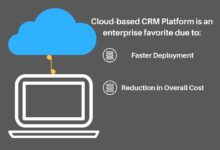
A cloud based CRM app is a customer relationship management system hosted on remote servers and accessed via the internet. Unlike traditional on-premise CRM software, which requires physical installation and maintenance, a cloud based CRM app runs on the cloud, offering instant access from any device with a browser or dedicated mobile app.
How It Works
Instead of storing data on local servers, a cloud based CRM app uses secure data centers managed by third-party providers. When a sales rep logs in from their laptop in New York or a support agent updates a ticket from Bali, all changes are synced in real time across the platform. This seamless integration ensures that every team member sees the most up-to-date customer information.
- Data is stored and processed on remote servers.
- Access is granted through secure login credentials.
- Updates and backups are handled automatically by the provider.
This model eliminates the need for expensive hardware, reduces IT overhead, and allows businesses to scale quickly as they grow. According to Gartner, over 80% of new CRM deployments in 2023 were cloud-based, highlighting its dominance in the market.
Key Components of a Cloud CRM System
A robust cloud based CRM app typically includes several core modules designed to streamline business operations. These include contact management, sales automation, marketing campaign tracking, customer service tools, and analytics dashboards.
Contact Management: Centralizes customer data like names, emails, call logs, and purchase history.Sales Pipeline Tracking: Visualizes deals in progress, helping teams forecast revenue and close faster.Marketing Automation: Enables targeted email campaigns, lead scoring, and campaign performance analysis.Service & Support: Tracks tickets, manages knowledge bases, and offers live chat integrations.Reporting & Analytics: Delivers real-time insights into customer behavior, team performance, and ROI.”The shift to cloud CRM has transformed how companies interact with customers—making it more agile, data-driven, and customer-centric.” — Salesforce Research, 2023Top 7 Benefits of Using a Cloud Based CRM AppAdopting a cloud based CRM app isn’t just a tech upgrade—it’s a strategic move that can redefine how your business operates..
From boosting productivity to enhancing customer satisfaction, the advantages are both immediate and long-term..
1. Accessibility and Mobility
One of the most powerful benefits of a cloud based CRM app is the ability to access customer data anytime, anywhere. Whether your sales team is traveling, working remotely, or meeting clients on-site, they can pull up critical information instantly.
- Access via smartphones, tablets, and laptops.
- Real-time synchronization across devices.
- Offline mode available in many apps (e.g., Salesforce Mobile).
This mobility empowers field sales representatives to update records after meetings, check inventory levels, or send follow-up emails without returning to the office. A study by Forrester found that mobile CRM users reported a 25% increase in productivity compared to those using desktop-only systems.
2. Cost Efficiency and Predictable Pricing
Traditional CRM systems often require large upfront investments in servers, software licenses, and IT staff. In contrast, a cloud based CRM app operates on a subscription model—usually monthly or annually per user.
- No need for physical infrastructure.
- Lower maintenance and upgrade costs.
- Pay-as-you-go pricing scales with your team size.
For small and medium-sized businesses (SMBs), this makes CRM adoption far more accessible. Instead of spending $50,000 on an on-premise solution, a startup can launch with HubSpot or Zoho CRM for under $50/user/month. This financial flexibility allows companies to reinvest savings into growth initiatives like marketing or product development.
3. Rapid Deployment and Easy Setup
Deploying a cloud based CRM app can take hours or days—not weeks or months. Most platforms offer guided onboarding, pre-built templates, and drag-and-drop customization tools that require minimal technical expertise.
- Sign up and start using the system within 24 hours.
- Import existing contacts via CSV or integrations.
- Customize fields, workflows, and dashboards without coding.
For example, Insightly claims that 70% of its customers go live within one week of signing up. This speed is crucial for fast-moving startups or seasonal businesses that need to respond quickly to market changes.
4. Automatic Updates and Security
With a cloud based CRM app, you never have to worry about installing patches or upgrading to the latest version. Providers handle all updates automatically, often during off-peak hours, ensuring your system always runs on the most secure and feature-rich platform.
- Security patches applied instantly.
- New features rolled out regularly (e.g., AI-powered insights).
- Compliance with global standards like GDPR, HIPAA, and SOC 2.
Top providers like Microsoft Dynamics 365 and Salesforce invest millions annually in cybersecurity. They use encryption, multi-factor authentication, and regular penetration testing to protect customer data. This level of protection is often beyond the reach of individual businesses managing their own servers.
5. Scalability for Business Growth
As your business grows, so should your CRM. A cloud based CRM app allows you to add users, storage, and functionality with just a few clicks. Whether you’re expanding from 10 to 100 employees or entering new markets, the system adapts seamlessly.
- Add new users instantly with admin controls.
- Upgrade plans to unlock advanced features (e.g., forecasting, territory management).
- Support global teams with multi-language and multi-currency options.
This scalability ensures that your CRM grows with you—without costly migrations or downtime. For instance, Pipedrive allows SMBs to start with basic pipelines and later integrate with tools like Mailchimp and Slack as their needs evolve.
6. Integration with Other Business Tools
A cloud based CRM app doesn’t exist in isolation. It connects with your email, calendar, marketing automation, e-commerce platforms, and even accounting software to create a unified business ecosystem.
- Synchronize with Gmail and Outlook for automatic logging of emails.
- Integrate with Zoom or Teams for meeting tracking.
- Connect with Shopify, WooCommerce, or Magento for order history visibility.
These integrations eliminate data silos and reduce manual entry. For example, when a customer places an order on your website, the transaction is automatically recorded in the CRM, triggering a personalized thank-you email and updating their lifetime value score. Zapier reports that businesses using integrated CRMs save an average of 6 hours per employee each week.
7. Enhanced Customer Insights and Personalization
Modern cloud based CRM apps leverage AI and machine learning to deliver deep customer insights. By analyzing past interactions, purchase behavior, and engagement patterns, these systems help you anticipate needs and personalize communication.
- AI-driven lead scoring identifies high-potential prospects.
- Predictive analytics forecast churn risk and upsell opportunities.
- Behavioral tracking enables hyper-personalized marketing.
Salesforce Einstein, for instance, uses AI to recommend the best time to contact a lead or suggest next steps based on historical success patterns. Companies using such features report up to a 30% increase in conversion rates, according to Salesforce’s State of Sales Report.
How to Choose the Right Cloud Based CRM App for Your Business
Selecting the right cloud based CRM app is a critical decision that impacts sales efficiency, customer satisfaction, and long-term scalability. With dozens of options available, it’s essential to evaluate your needs systematically.
Assess Your Business Needs
Start by identifying your primary goals. Are you looking to improve sales tracking? Enhance customer support? Automate marketing campaigns? Different CRMs specialize in different areas.
- SMBs may benefit from user-friendly platforms like HubSpot or Zoho CRM.
- Enterprise organizations might require robust solutions like Salesforce or Microsoft Dynamics 365.
- Service-focused businesses may prefer Freshworks or Zendesk Sell.
Conduct internal interviews with sales, marketing, and customer service teams to understand pain points and desired features. This ensures the chosen CRM aligns with actual workflow needs rather than just technical specs.
Evaluate Key Features and Usability
While feature lists are important, usability is equally critical. A powerful cloud based CRM app is useless if your team avoids using it due to complexity.
- Look for intuitive interfaces with minimal learning curve.
- Check for customizable dashboards and reporting tools.
- Ensure mobile app functionality matches desktop capabilities.
Request free trials or demos from top contenders. Test how easy it is to log a call, create a deal, or generate a report. Platforms like Agile CRM offer all-in-one functionality but may overwhelm smaller teams with unnecessary features.
Check Integration and API Support
Your CRM should act as a central hub, not another silo. Verify that the cloud based CRM app integrates with tools you already use—such as Google Workspace, Microsoft 365, Mailchimp, or QuickBooks.
- Review native integrations offered by the vendor.
- Check API availability for custom connections.
- Look for pre-built connectors via platforms like Zapier or Make.
For example, if your marketing team relies heavily on Facebook Ads, ensure the CRM can track ad-generated leads and attribute conversions accurately. Poor integration can lead to data gaps and misinformed decisions.
Top Cloud Based CRM Apps in 2024
The market for cloud based CRM apps is highly competitive, with vendors constantly innovating to offer better AI, automation, and user experience. Here are some of the leading platforms shaping the industry in 2024.
Salesforce Sales Cloud
Salesforce remains the gold standard in cloud CRM. Its Sales Cloud offers comprehensive tools for lead management, opportunity tracking, forecasting, and collaboration.
- AI-powered Einstein Analytics for smart insights.
- Extensive AppExchange with thousands of third-party apps.
- Strong customization options for complex sales processes.
Ideal for mid-sized to large enterprises, Salesforce offers unmatched scalability and ecosystem support. However, it can be expensive and complex for small teams without dedicated admins.
HubSpot CRM
HubSpot CRM stands out for its ease of use and free tier, making it a favorite among startups and SMBs. It combines CRM functionality with marketing, sales, and service hubs.
- Free plan includes contact management, email tracking, and deal pipelines.
- Seamless integration with HubSpot’s marketing automation tools.
- User-friendly interface with minimal setup required.
While the free version is powerful, advanced features like custom reporting and team permissions require paid upgrades. Still, HubSpot’s educational resources and community support make adoption smoother.
Zoho CRM
Zoho CRM offers a balanced mix of affordability, functionality, and AI capabilities. It’s particularly popular among small to mid-sized businesses looking for a cost-effective yet powerful solution.
cloud based crm app – Cloud based crm app menjadi aspek penting yang dibahas di sini.
- Zia AI assistant provides sales predictions and sentiment analysis.
- Highly customizable workflows and automation rules.
- Strong multilingual and global business support.
Zoho also integrates well with other Zoho products (e.g., Books, Campaigns) and third-party tools. Its pricing is among the most competitive, starting at $14/user/month.
Common Challenges and How to Overcome Them
Despite the many advantages, implementing a cloud based CRM app isn’t without challenges. From user adoption to data migration, businesses often face hurdles that can delay ROI.
User Resistance and Low Adoption
One of the biggest risks is employee resistance. If your team doesn’t see the value or finds the system difficult to use, they may revert to spreadsheets or personal notes.
- Involve end-users early in the selection process.
- Provide hands-on training and ongoing support.
- Highlight quick wins, like automated follow-ups or saved time on data entry.
According to Nucleus Research, companies with strong change management see CRM adoption rates over 70%, compared to less than 40% in those that don’t prioritize training.
Data Migration and Quality Issues
Moving data from legacy systems or spreadsheets into a new cloud based CRM app can be messy. Duplicate entries, missing fields, and outdated information can undermine trust in the system.
- Clean and standardize data before import.
- Use deduplication tools provided by the CRM.
- Start with a pilot group before full rollout.
Many vendors offer migration services or partner with consultants to ensure a smooth transition. Taking time to get data right upfront prevents costly corrections later.
Customization vs. Simplicity Trade-Off
While customization is a strength of many cloud based CRM apps, over-customizing can lead to complexity, slower performance, and higher maintenance costs.
- Stick to essential custom fields and workflows.
- Avoid unnecessary automation that clutters the user experience.
- Review customizations annually to remove outdated ones.
Remember: the goal is to enhance productivity, not create a system only IT can manage.
Future Trends in Cloud Based CRM Apps
The evolution of cloud based CRM apps is accelerating, driven by AI, automation, and changing customer expectations. Staying ahead of these trends ensures your business remains competitive and customer-focused.
AI and Predictive Analytics
Artificial intelligence is no longer a luxury—it’s becoming a core feature of modern CRM platforms. From chatbots to predictive lead scoring, AI helps teams work smarter.
- AI-powered assistants draft emails, schedule meetings, and summarize calls.
- Predictive analytics identify at-risk customers before they churn.
- Natural language processing (NLP) extracts insights from customer emails and calls.
For example, Microsoft Dynamics 365 uses AI to analyze customer sentiment in real time during support calls, enabling agents to adjust their tone and approach instantly.
Hyper-Personalization and Customer Journey Mapping
Customers expect personalized experiences at every touchpoint. Cloud based CRM apps are evolving to map the entire customer journey—from awareness to advocacy.
- Track interactions across email, social media, website, and phone.
- Deliver tailored content based on behavior and preferences.
- Use journey analytics to identify friction points and optimize conversion paths.
Platforms like Salesforce Customer 360 provide a unified view of the customer, enabling truly personalized engagement across departments.
Increased Focus on Data Privacy and Compliance
As data regulations tighten globally, cloud based CRM apps must prioritize privacy and compliance. Users demand transparency about how their data is collected and used.
- GDPR, CCPA, and other regulations require opt-in consent and data portability.
- CRM vendors are enhancing consent management and audit trails.
- Zero-party data (data willingly shared by customers) is gaining importance.
Forward-thinking CRMs now include built-in compliance dashboards and automated data deletion workflows to help businesses stay on the right side of the law.
Best Practices for Implementing a Cloud Based CRM App
Successful CRM implementation goes beyond software selection. It requires strategic planning, stakeholder involvement, and continuous optimization.
Define Clear Goals and KPIs
Before launching, establish what success looks like. Are you aiming to reduce response time? Increase lead conversion? Improve customer retention?
- Set measurable KPIs like sales cycle length, customer satisfaction (CSAT), or lead-to-close ratio.
- Align CRM goals with overall business objectives.
- Communicate these goals to all users to build buy-in.
Tracking progress against these metrics helps justify the investment and identify areas for improvement.
Train Your Team Effectively
Even the best cloud based CRM app fails without proper training. Invest time in onboarding and continuous learning.
- Offer role-specific training (e.g., sales vs. support).
- Create internal documentation and video tutorials.
- Appoint CRM champions within each department.
Regular refresher sessions and feedback loops ensure long-term engagement and proficiency.
Monitor Usage and Optimize Regularly
Implementation doesn’t end at go-live. Monitor usage patterns, gather feedback, and refine workflows.
- Use built-in analytics to track login frequency and feature adoption.
- Identify underused features and retrain as needed.
- Iterate on processes based on real-world performance.
CRM optimization is an ongoing journey, not a one-time project.
What is a cloud based CRM app?
A cloud based CRM app is a customer relationship management system hosted on remote servers and accessed via the internet. It allows businesses to manage customer interactions, sales pipelines, marketing campaigns, and support tickets from any device with an internet connection.
What are the main benefits of a cloud CRM?
The key benefits include remote accessibility, lower costs, automatic updates, easy scalability, seamless integrations, and advanced analytics. These advantages help businesses improve efficiency, enhance customer experiences, and drive growth.
Is a cloud based CRM app secure?
Yes, reputable cloud based CRM apps use advanced security measures like encryption, multi-factor authentication, and compliance with international standards (e.g., GDPR, SOC 2). In many cases, they are more secure than on-premise systems managed internally.
Which cloud CRM is best for small businesses?
HubSpot CRM, Zoho CRM, and Agile CRM are popular choices for small businesses due to their affordability, ease of use, and strong feature sets. Many offer free tiers or low-cost entry plans.
How much does a cloud based CRM app cost?
Pricing varies by provider and features. Entry-level plans start at $10–$15/user/month (e.g., Zoho CRM), while enterprise solutions like Salesforce can exceed $300/user/month. Most offer tiered pricing based on functionality and scale.
Adopting a cloud based CRM app is no longer optional—it’s essential for staying competitive in today’s digital-first world. From improving team collaboration to delivering personalized customer experiences, the right CRM can transform how your business operates. By understanding its benefits, choosing the right platform, and following best practices for implementation, you can unlock significant gains in productivity, revenue, and customer loyalty. As technology continues to evolve, the future of CRM lies in intelligence, integration, and insight—all powered by the cloud.
cloud based crm app – Cloud based crm app menjadi aspek penting yang dibahas di sini.
Further Reading:
