Imagine turning a handful of high-value prospects into loyal, revenue-generating clients—fast. That’s the power of account based sales development. It’s not just a trend; it’s a strategic revolution reshaping how B2B sales teams win big deals.
What Is Account Based Sales Development?

Account based sales development (ABSD) flips the traditional sales model on its head. Instead of casting a wide net to catch leads, ABSD focuses on targeting specific high-value accounts with personalized outreach and tailored messaging. This approach aligns sales and marketing teams around a shared goal: winning key accounts through precision, not volume.
How ABSD Differs from Traditional Lead Generation
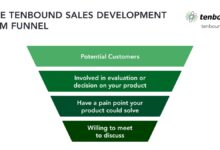
Traditional lead generation operates like a funnel—capture as many leads as possible and hope some convert. ABSD, however, works more like a sniper rifle: highly accurate, deliberate, and focused on quality over quantity.
- Traditional models prioritize lead volume and broad outreach.
- ABSD prioritizes account relevance, fit, and engagement depth.
- While lead gen uses one-size-fits-all messaging, ABSD crafts hyper-personalized campaigns.
This shift isn’t just tactical—it’s strategic. According to Forrester Research, companies using account based strategies report higher ROI and faster deal velocity.
The Core Philosophy Behind ABSD
At its heart, ABSD is about treating each target account as a market of one. This means understanding not just the company, but the decision-makers, their pain points, goals, and buying journey.
“Account-based selling isn’t about selling more—it’s about selling smarter.” — Sangram Vaidya, Co-Founder of Terminus
This philosophy demands deep research, cross-functional alignment, and a commitment to long-term relationship building. It’s less about cold calls and more about warm, informed conversations.
Why Account Based Sales Development Is Gaining Momentum
The B2B landscape is evolving. Buyers are more informed, more cautious, and more demanding. Generic outreach no longer cuts it. ABSD has emerged as the answer to these challenges, offering a more effective way to engage complex buying committees and close high-value deals.
account based sales development – Account based sales development menjadi aspek penting yang dibahas di sini.
Rising Complexity in B2B Buying Committees
Gone are the days when one decision-maker could sign off on a major purchase. Today’s B2B deals often involve 6-10 stakeholders, each with different priorities and concerns.
- Technical teams care about integration and security.
- Finance teams focus on ROI and cost efficiency.
- Executives look at strategic alignment and long-term value.
ABSD equips sales development reps (SDRs) to map these stakeholders and deliver relevant messaging to each, increasing the chances of consensus and approval.
Higher ROI and Predictable Revenue Growth
One of the biggest drivers behind ABSD’s popularity is its measurable impact on revenue. A study by ABM Leadership Board found that 87% of companies using ABSD reported higher ROI compared to traditional marketing and sales tactics.
- ABSD reduces wasted effort on low-fit leads.
- It shortens sales cycles by building trust early.
- It increases average deal size due to strategic targeting.
For revenue leaders, this means more predictable forecasting and scalable growth.
The Key Components of a Successful Account Based Sales Development Strategy
Running an effective ABSD program isn’t just about changing your outreach style—it’s about building a system. From account selection to execution and measurement, every component must be aligned for maximum impact.
Account Selection and Tiering
Not all accounts are worth the same level of effort. ABSD starts with identifying which accounts to target based on firmographic, technographic, and behavioral data.
- Strategic Accounts (Tier 1): High revenue potential, strong fit, and accessible decision-makers.
- Expansion Accounts (Tier 2): Existing customers with upsell/cross-sell potential.
- Opportunity Accounts (Tier 3): Possible fit but require more nurturing.
Tools like Chorus.ai and Salesforce help analyze data to score and tier accounts effectively.
account based sales development – Account based sales development menjadi aspek penting yang dibahas di sini.
Personalization at Scale
Personalization is the lifeblood of ABSD. But it’s not just about using a prospect’s first name in an email. True personalization means referencing their company’s recent news, challenges, or even mutual connections.
- Use LinkedIn insights to understand role and responsibilities.
- Reference recent funding rounds, product launches, or leadership changes.
- Leverage intent data from platforms like 6sense to identify active buyers.
When done right, personalization increases response rates by up to 40%, according to HubSpot.
Alignment Between Sales, Marketing, and SDR Teams
ABSD fails when teams work in silos. Success requires tight collaboration between marketing, sales development, and account executives.
- Marketing creates targeted content for each account (e.g., custom landing pages, case studies).
- SDRs initiate personalized outreach based on shared intelligence.
- Sales reps take over with deep, consultative conversations.
Regular sync meetings, shared dashboards, and unified KPIs ensure everyone is rowing in the same direction.
How to Build an Account Based Sales Development Playbook
A playbook is your ABSD blueprint. It standardizes processes, ensures consistency, and empowers your team to execute with confidence. Without one, even the best strategies can fall apart.
Defining Your Ideal Customer Profile (ICP)
Your ICP is the foundation of your ABSD strategy. It defines the characteristics of companies most likely to benefit from your solution.
- Firmographics: Industry, company size, revenue, location.
- Technographics: Current tech stack, software usage.
- Behavioral Signals: Engagement with content, event attendance, website visits.
For example, a SaaS company might target mid-market tech firms (100–500 employees) using Salesforce and HubSpot but lacking a dedicated sales engagement platform.
account based sales development – Account based sales development menjadi aspek penting yang dibahas di sini.
Mapping Stakeholders and Buying Committees
Once you’ve identified target accounts, the next step is mapping the key players involved in the decision-making process.
- Identify economic buyers (those who approve budgets).
- Find champions (internal advocates).
- Understand influencers (technical evaluators).
Tools like LinkedIn Sales Navigator and Clearbit help uncover org charts and contact details.
“You can’t sell to a company. You sell to people inside the company.” — Mark Roberge, Former CRO of HubSpot
Designing Multi-Touch Outreach Sequences
ABSD outreach is rarely a one-and-done effort. It requires a coordinated sequence of touches across channels—email, phone, social, and even direct mail.
- Day 1: Personalized LinkedIn connection request.
- Day 3: Follow-up email referencing a recent blog post they shared.
- Day 7: Short video message explaining how you helped a similar company.
- Day 10: Phone call with a value-driven opener.
Sequences should be dynamic—pausing if the prospect engages, escalating if they show interest, and nurturing if they’re not ready.
Leveraging Technology in Account Based Sales Development
Technology is the engine that powers modern ABSD. From AI-driven insights to automation tools, the right stack can multiply your team’s effectiveness and scale personalization.
CRM and ABM Platforms
A robust CRM like Salesforce or HubSpot is essential for tracking account interactions, managing pipelines, and measuring performance.
- Centralize all account data in one place.
- Automate task reminders and follow-ups.
- Integrate with marketing tools for unified reporting.
ABM platforms like Terminus and Demandbase take it further by enabling targeted digital ads and website personalization for specific accounts.
account based sales development – Account based sales development menjadi aspek penting yang dibahas di sini.
Sales Engagement Tools
Sales engagement platforms like Outreach and Salesloft automate and optimize outreach sequences.
- Schedule and send multi-channel campaigns.
- Track email opens, link clicks, and response rates.
- Use AI to suggest optimal send times and message variations.
These tools don’t replace human touch—they enhance it by freeing up time for strategic thinking and relationship building.
Intent and Predictive Analytics
Knowing when a prospect is in-market can be a game-changer. Intent data platforms like 6sense and Gombi monitor online behavior to detect buying signals.
- Identify accounts researching competitors.
- Detect spikes in content consumption.
- Prioritize outreach based on real-time intent.
This allows SDRs to engage at the perfect moment—when the prospect is already considering a solution like yours.
Measuring the Success of Your Account Based Sales Development Program
You can’t improve what you don’t measure. Tracking the right KPIs ensures your ABSD efforts are delivering results and helps you refine your strategy over time.
Key Performance Indicators (KPIs) for ABSD
Unlike traditional SDR metrics that focus on activity (calls made, emails sent), ABSD KPIs are outcome-driven and account-centric.
- Account Engagement Rate: Percentage of target accounts showing active engagement.
- Meeting Conversion Rate: % of outreach sequences that result in a qualified meeting.
- Deal Velocity: Time from first touch to closed deal.
- Revenue per Account: Average revenue generated from targeted accounts.
These metrics provide a clearer picture of effectiveness than vanity metrics like open rates alone.
account based sales development – Account based sales development menjadi aspek penting yang dibahas di sini.
Attribution and ROI Tracking
Proving ROI is critical for securing executive buy-in and budget. ABSD programs must track how each touchpoint contributes to pipeline and revenue.
- Use multi-touch attribution models to assign credit across channels.
- Link marketing campaigns to specific account outcomes.
- Calculate customer acquisition cost (CAC) and lifetime value (LTV) by account tier.
Tools like Marketo and Pardot offer robust attribution features for ABSD programs.
Common Challenges in Account Based Sales Development and How to Overcome Them
While ABSD offers immense potential, it’s not without hurdles. From internal resistance to data gaps, teams must navigate several challenges to succeed.
Lack of Cross-Team Alignment
One of the most common roadblocks is misalignment between sales, marketing, and customer success teams.
- Solution: Establish a shared ABSD council with representatives from each team.
- Define joint goals, shared dashboards, and regular cadence meetings.
- Use collaborative tools like Asana or Slack to improve communication.
Alignment isn’t a one-time event—it’s an ongoing process that requires leadership and accountability.
Data Quality and Account Insights Gaps
Poor data leads to irrelevant messaging and wasted effort. If your team doesn’t have accurate contact info or insights into account needs, personalization fails.
- Solution: Invest in data enrichment tools like Clearbit or ZoomInfo.
- Implement a data governance policy to keep CRM records updated.
- Train SDRs on effective research techniques using LinkedIn, news alerts, and intent data.
High-quality data isn’t a nice-to-have—it’s the foundation of ABSD success.
account based sales development – Account based sales development menjadi aspek penting yang dibahas di sini.
Scaling Personalization Without Losing Authenticity
As programs grow, there’s pressure to automate and scale. But over-automation can make outreach feel robotic and impersonal.
- Solution: Use templates as a starting point, not a final product.
- Encourage SDRs to add custom details based on their research.
- Leverage AI to suggest personalization cues, but keep humans in the loop.
The goal isn’t to send 1,000 identical emails—it’s to send 100 emails that feel like they were written just for one person.
Future Trends in Account Based Sales Development
The world of ABSD is evolving fast. As technology advances and buyer expectations shift, new trends are shaping the future of how sales teams engage high-value accounts.
AI-Powered Personalization and Predictive Outreach
Artificial intelligence is no longer science fiction—it’s a sales development reality. AI can analyze past interactions, predict the best time to reach out, and even draft personalized messages.
- AI tools like Clari and Gong provide real-time coaching and insights.
- Predictive scoring models identify which accounts are most likely to convert.
- Natural language processing (NLP) helps tailor messaging tone and style.
As AI matures, it will become a co-pilot for SDRs, enhancing—not replacing—their strategic role.
Hyper-Targeted Content and Experiential Marketing
Generic case studies and whitepapers won’t cut it anymore. Buyers expect content that speaks directly to their situation.
- Custom demos tailored to the account’s workflow.
- Interactive ROI calculators with their data pre-filled.
- Virtual events or roundtables featuring peers from similar industries.
This shift toward experiential engagement turns passive prospects into active participants.
account based sales development – Account based sales development menjadi aspek penting yang dibahas di sini.
Expansion of ABSD into Customer Success and Retention
ABSD isn’t just for new business—it’s increasingly being used to grow existing accounts.
- Customer success teams use ABSD principles to identify upsell opportunities.
- Marketing creates retention-focused campaigns for at-risk accounts.
- SDRs engage dormant users with reactivation sequences.
This holistic approach turns ABSD into a full-cycle revenue strategy, not just an acquisition tactic.
What is the difference between ABM and account based sales development?
Account-based marketing (ABM) focuses on marketing efforts tailored to specific accounts, while account based sales development (ABSD) is the sales-side execution—outreach, engagement, and meeting setting. They are two sides of the same coin, often working in tandem.
How do I start an ABSD program from scratch?
Begin by defining your ideal customer profile, selecting 5–10 high-value target accounts, aligning sales and marketing, building a multi-touch outreach sequence, and measuring engagement. Start small, learn fast, and scale what works.
What tools are essential for ABSD?
account based sales development – Account based sales development menjadi aspek penting yang dibahas di sini.
Key tools include a CRM (e.g., Salesforce), sales engagement platform (e.g., Outreach), intent data provider (e.g., 6sense), and LinkedIn Sales Navigator. Additional tools like Clearbit and Terminus enhance targeting and personalization.
Can ABSD work for small businesses?
Absolutely. While often associated with enterprise sales, small businesses can use ABSD principles to focus on high-potential clients, especially in niche markets. The key is prioritization and personalization, not company size.
How long does it take to see results from ABSD?
Most teams see initial engagement within 4–6 weeks. However, full pipeline impact and revenue results typically take 3–6 months, depending on sales cycle length and team execution.
Account based sales development is more than a tactic—it’s a strategic shift toward smarter, more focused selling. By targeting the right accounts, personalizing outreach, leveraging technology, and measuring what matters, sales teams can unlock unprecedented revenue growth. The future of B2B sales isn’t about volume; it’s about value. And ABSD is the key to delivering it.
account based sales development – Account based sales development menjadi aspek penting yang dibahas di sini.
Further Reading:
